Tips
5 Tips for Acne Prevention
Acne prevention can feel confusing when advice is everywhere. These five practical tips can help you manage breakouts and find a skincare routine that suits your skin.

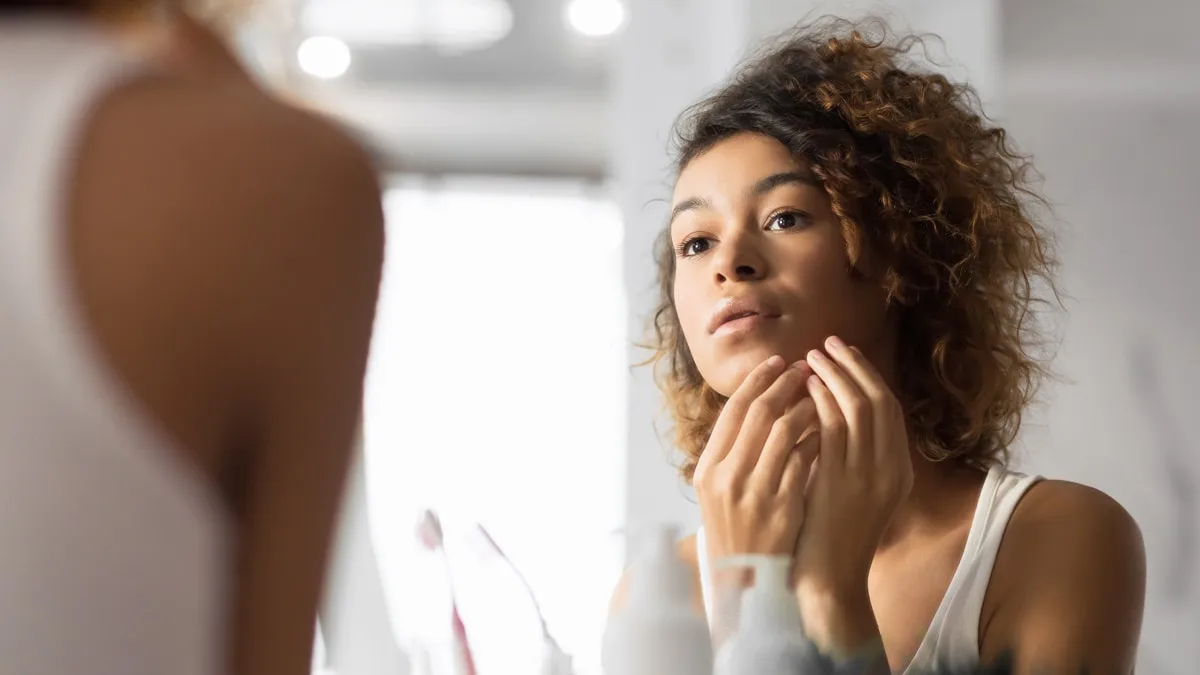

“You’ll grow out of it as you get older.” “It’s not that noticeable, don’t worry about it.”
Sound familiar? For those of us who suffer from some form of acne, these adages are painfully common. Many people think they'll “grow out” of acne once they’ve moved past their teenage years, but unfortunately, that isn’t always true. Although acne usually affects teens going through puberty, adult acne is growing, affecting up to 15% of women in the U.S., and 50 million Americans annually. With so many of us affected by acne, there are more treatment options and recommendations available than ever. A brief Google search for skincare tips or ways to prevent acne yields millions of results, making it hard to know what's best for your specific skin type. To make searching seem a little less intimidating, here are a few tips for acne prevention that we’ve found to be effective:
1. Wash your face twice a day.
This is the baseline for any good skincare routine. Especially if you struggle with acne, cleansing your skin of dirt and oil buildup at the start and end of the day is essential. The American Academy of Dermatology also recommends washing your face after any physical activity that leaves you sweaty, since sweat can clog your pores. However, it’s also important to note that we can wash our faces too much. When you have oily skin, it can be tempting to keep washing your face until it doesn’t feel “greasy.” Unfortunately, this strips your skin of its natural oils, forcing it to compensate by producing even more and worsening your acne.
2. Try not to touch your face.
We know that this is one of the most commonly cited tips for acne prevention, but it’s true. Resist the temptation to pick, squeeze, or “pop” your acne. By doing so, you risk spreading bacteria, causing painful inflammation, and leaving acne scars. By resisting the urge to touch your face, you also avoid transferring dirt, oil, or bacteria from your hands to your skin's pores.
3. Shampoo your hair regularly.
If you have oily hair and skin, the American Academy of Dermatology even recommends shampooing daily, since oil from your hair can easily transfer to your face and trigger further acne flare-ups.
4. Use a gentle cleanser.
Another common temptation for acne sufferers is to “scrub away” their acne with harsh exfoliators and cleansers. Unfortunately, this often makes your skin appear red and irritated, worsening the appearance of acne. It can also dry out your skin, causing it to produce more oil and leading to more acne flare-ups. Instead, choose a gentle cleanser free of alcohol and other irritants, and one that doesn’t strip your skin of its natural moisture.
5. Choose an acne treatment plan and stick with it.
Acne products typically take between 6-8 weeks to begin working. Although we all wish results were instantaneous, resist the urge to switch your skincare routine if you don’t see a difference in a week. If you still aren’t seeing improvement after the 6-8 week window, you can start looking into other treatments.
Additional Tip: Choose an age-appropriate plan.
Combatting Acne is very different for a young adult experiencing puberty than it is for someone a bit older and may have other factors at play. Identifying your skin type and the factors driving acne flare-ups can be your biggest ally.
At any age, bouncing back and forth between the newest products trending on social media may do more harm than you realize; your skin thrives on consistency and quality products. However, many scrubs and astringents aren't meant for younger skin; in fact, they're meant for older patients and could mean it's causing more harm than good.
Our Recommendation
If you’re looking for a new treatment for your acne, we highly recommend ZO’s acne treatment line. ZO’s acne products provide medical-grade treatment for stubborn acne and skin discoloration. Their treatment plan includes serums, masks, and exfoliators that combine antioxidants and hydrating compounds to fight acne-causing bacteria without overly drying your skin. If you’re looking for an alternative to acne products, you may also have other treatment options. Broadband light treatments are another way to treat and prevent acne. If you’re interested in a broadband light treatment, Renew offers the Forever Clear BBL broadband light treatment. Forever Clear BBL is a cutting-edge acne treatment that uses the power of light to clear acne comfortably and effectively, without creams or medicine. However, please consult a licensed skincare professional before starting a new skincare regimen.
Additionally, Microneedling is a great option for those living with the long-lasting effects of acne and the scarring it can create. Microneedling uses a medical device with tiny needles to penetrate the skin's outer layer and create multiple micro-channels. This process increases absorption of therapeutic serums and triggers the skin’s natural healing response, stimulating collagen and elastin production. For best results, we recommend a series of treatments, although even one treatment can provide visible improvement.
Each person’s skin type is unique and requires a different care approach. If you’d like to consult with a professional to develop a personalized skincare routine, schedule a complimentary consultation. Our certified physician assistant will discuss your unique skincare goals and create a customized treatment plan just for you. Call 541-291-5393 to schedule your consultation today!
Please note that the information is intended to be observed as guidelines and is not intended to be a substitute for informed medical advice, diagnosis, or treatment. Always seek advice from a licensed skincare professional with any questions about acne or acne prevention.
Revised and updated 9.24.26
Start your renewal today.

Skin care products.
The skin is the largest organ of your body. All too often, however, your skin is neglected when it comes to investing in a care plan. A good skin care plan is similar to a good fitness plan.
